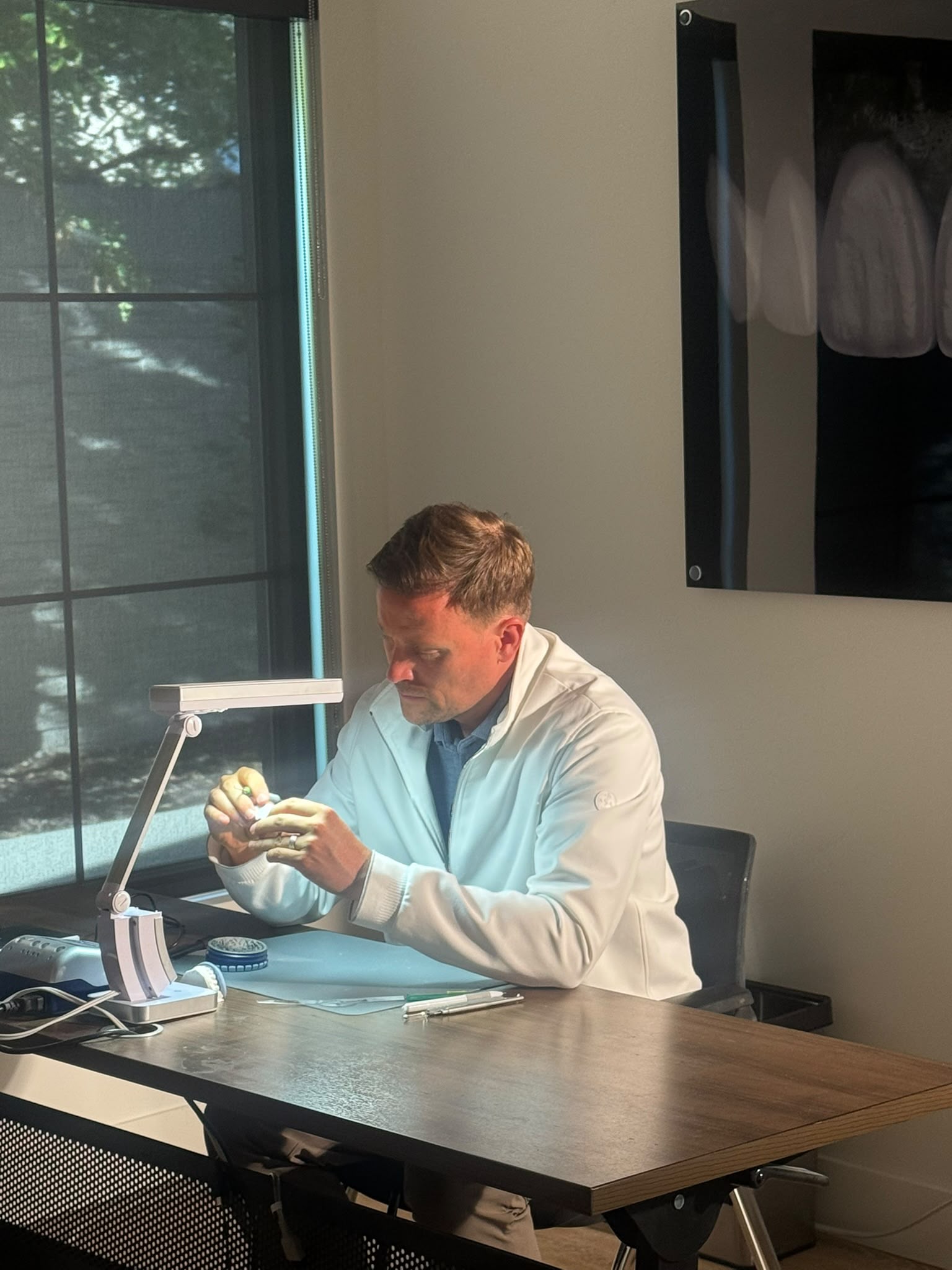
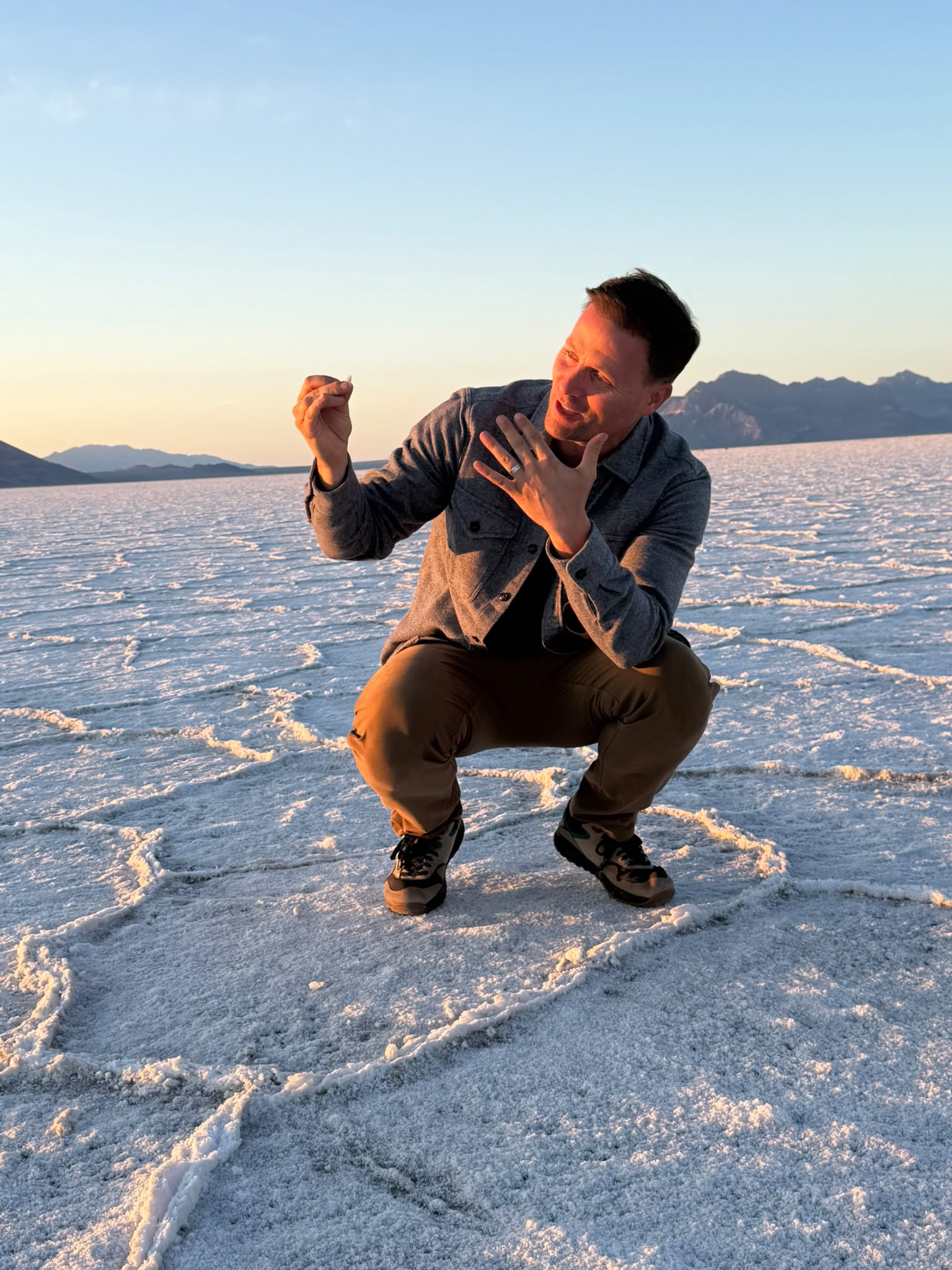
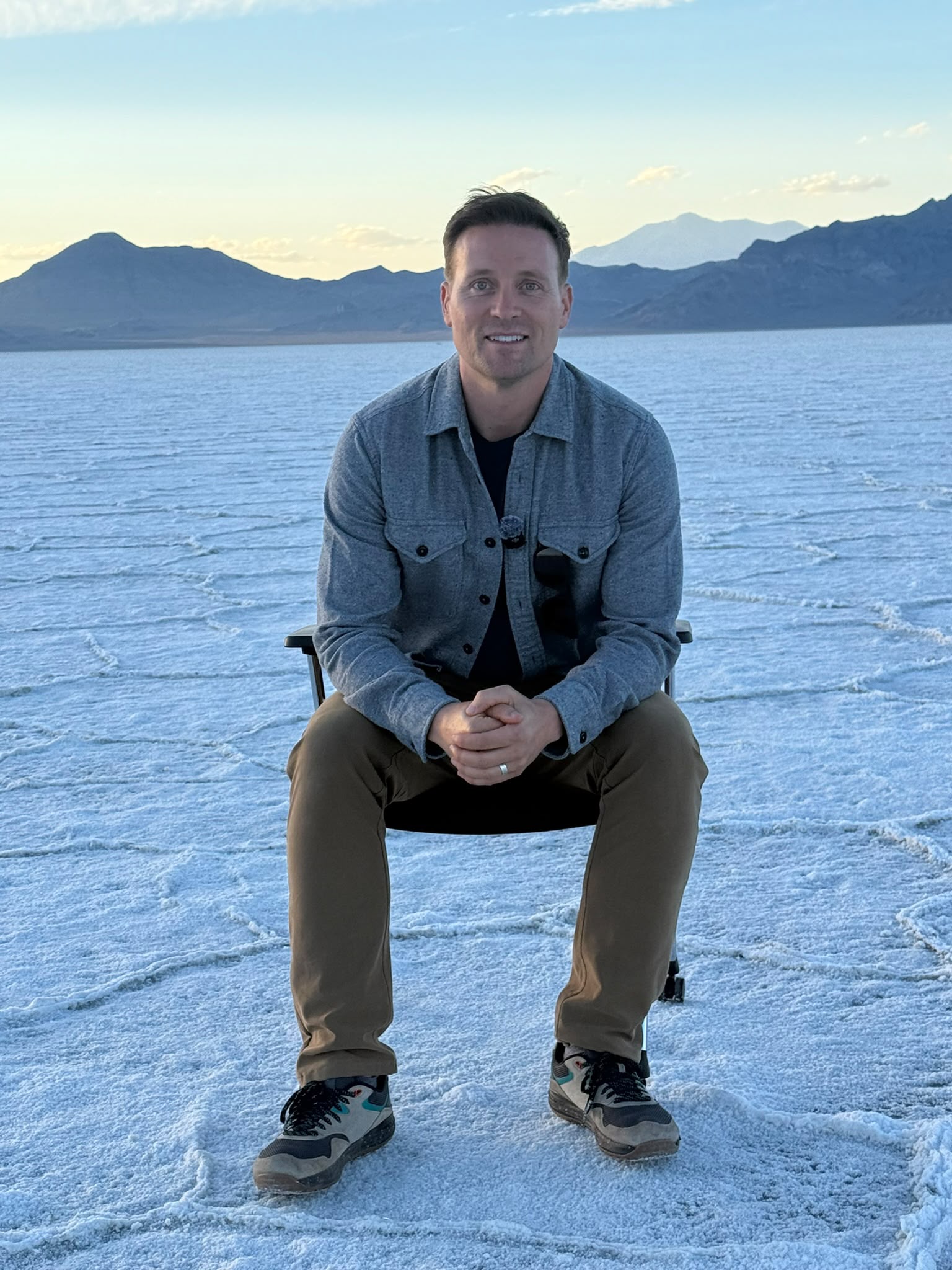
THE ART OF RESTRAINT: DR. MARSHALL HANSON
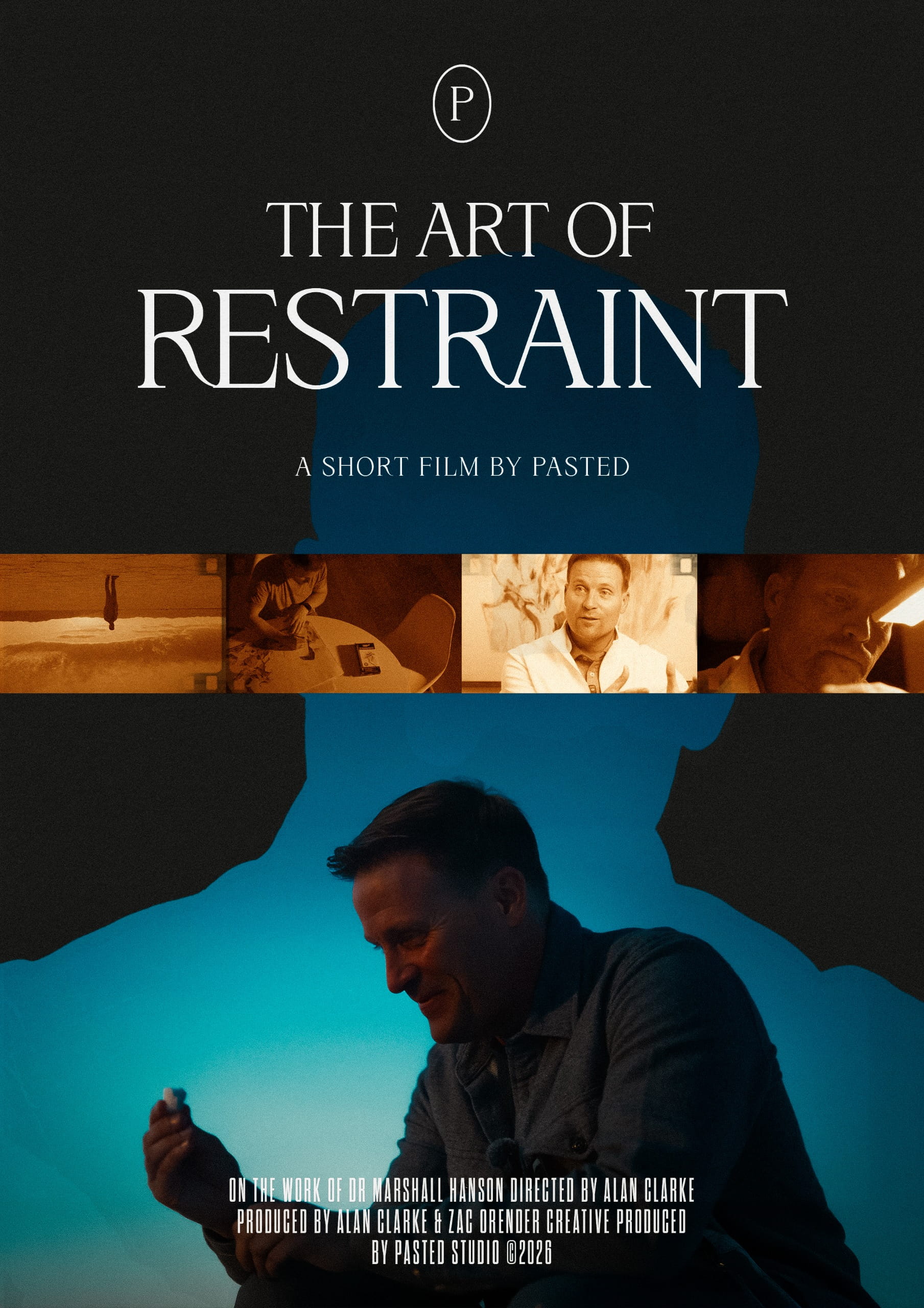
THE ART OF RESTRAINT
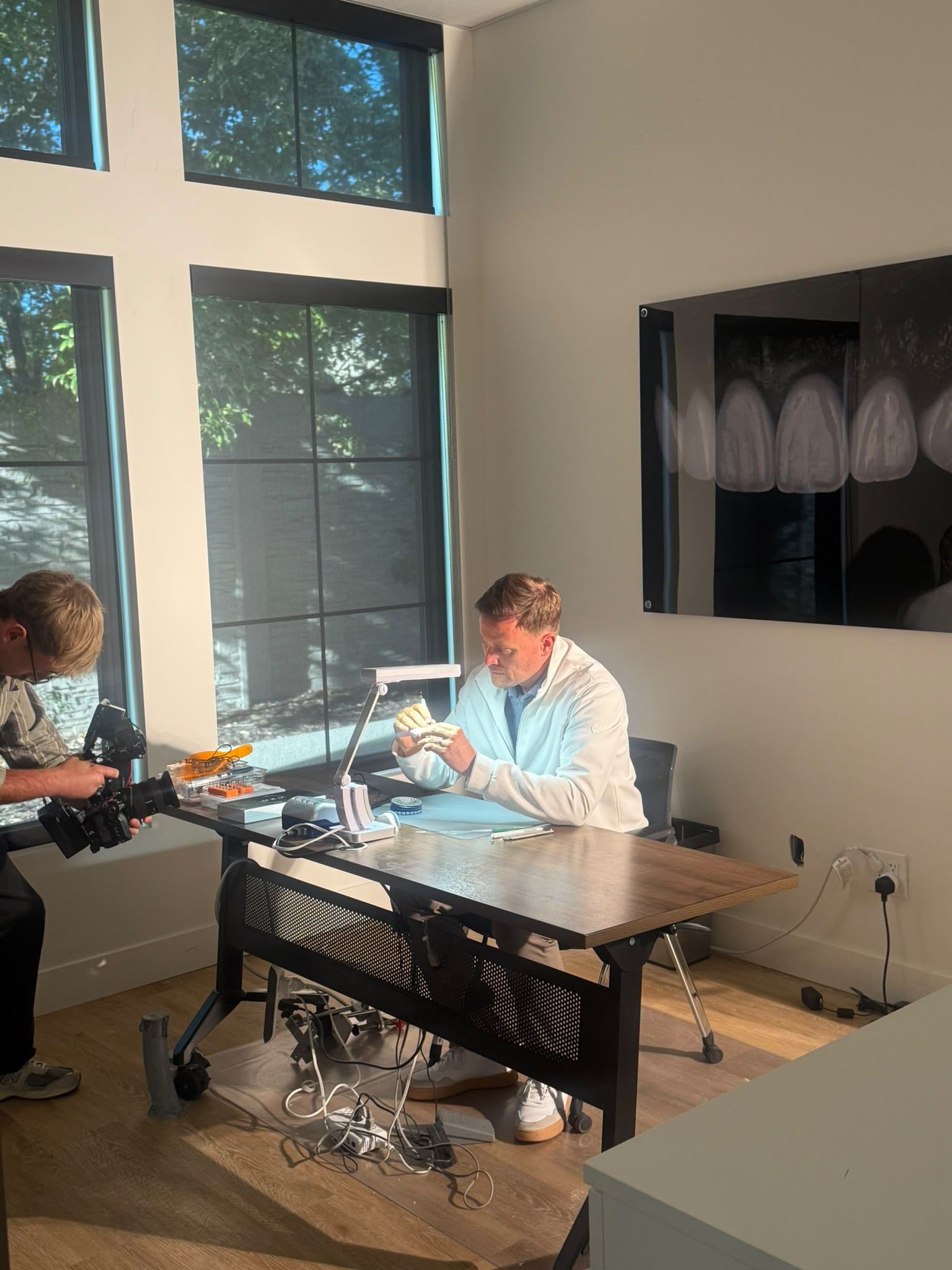
These films began with dentistry, but dentistry quickly became the setting rather than the subject.
The larger project is concerned with a much more universal question: how does a human being develop a way of seeing the world, and what happens when that way of seeing becomes their life's work?
We live in a culture that increasingly rewards more.
More intervention. More content. More visibility. More transformation. More proof that something has happened.
Marshall Hanson's philosophy presents an interesting counterargument.
Sometimes progress is preservation.
Sometimes expertise is knowing what not to do.
Sometimes the most sophisticated intervention is the one another person cannot see.
That idea allowed us to use an extremely specific world—cosmetic dentistry—to examine questions that exist far beyond it: taste, beauty, identity, confidence, mentorship, ageing, nature, ambition and the desire human beings have to leave something behind.
This is also why the project extends beyond the films.
Alongside them, we created the Marshall Hanson Store.
Its purpose is not simply commercial.
We became interested in the objects that surround a person's creative process.
Every discipline has them: the books with folded corners, the instruments worn through use, the references returned to repeatedly, the objects sitting on a desk for reasons nobody else quite understands.
Individually, these things can appear insignificant. Collectively, they begin to reveal a person.
The Store was conceived almost as a physical extension of the documentary: a living archive of the tools, ideas, references and objects that have informed Marshall's way of working.
Rather than asking an audience simply to admire the finished work, it invites them inside the process.
There is an important distinction here.
The ambition is not to teach people to become Marshall Hanson.
It is almost the opposite.
The films repeatedly return to the idea that meaningful creative work eventually requires independence. You absorb influences, study other people's decisions, borrow their tools and understand their references—but ultimately you have to develop your own eye.
The Store therefore functions as another form of transmission.
A film can communicate a philosophy emotionally. Teaching can communicate it intellectually. Objects allow somebody to encounter it physically.
Together, they create a portrait that isn't limited to biography.
We are interested in what remains when you remove the job title.
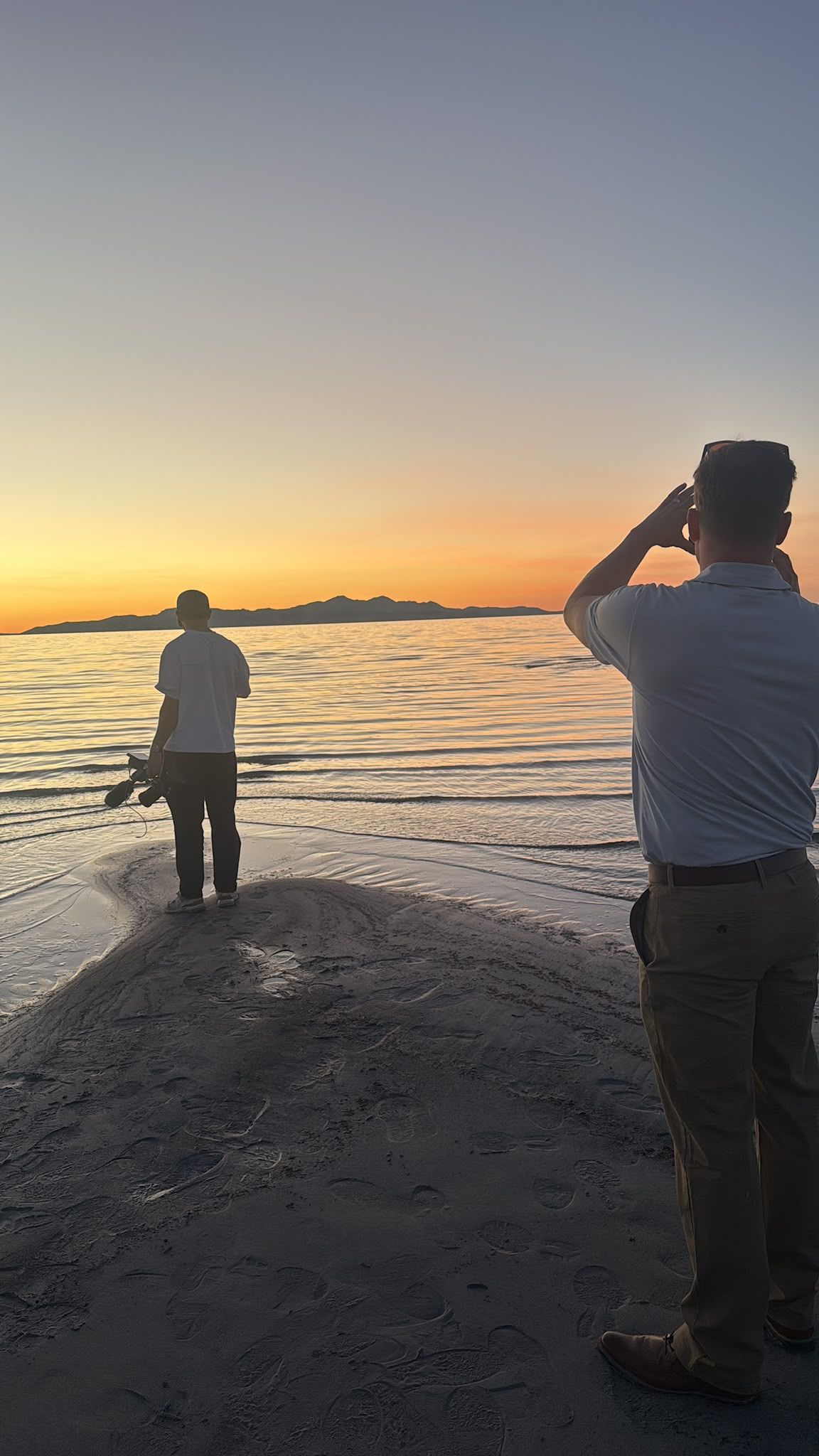
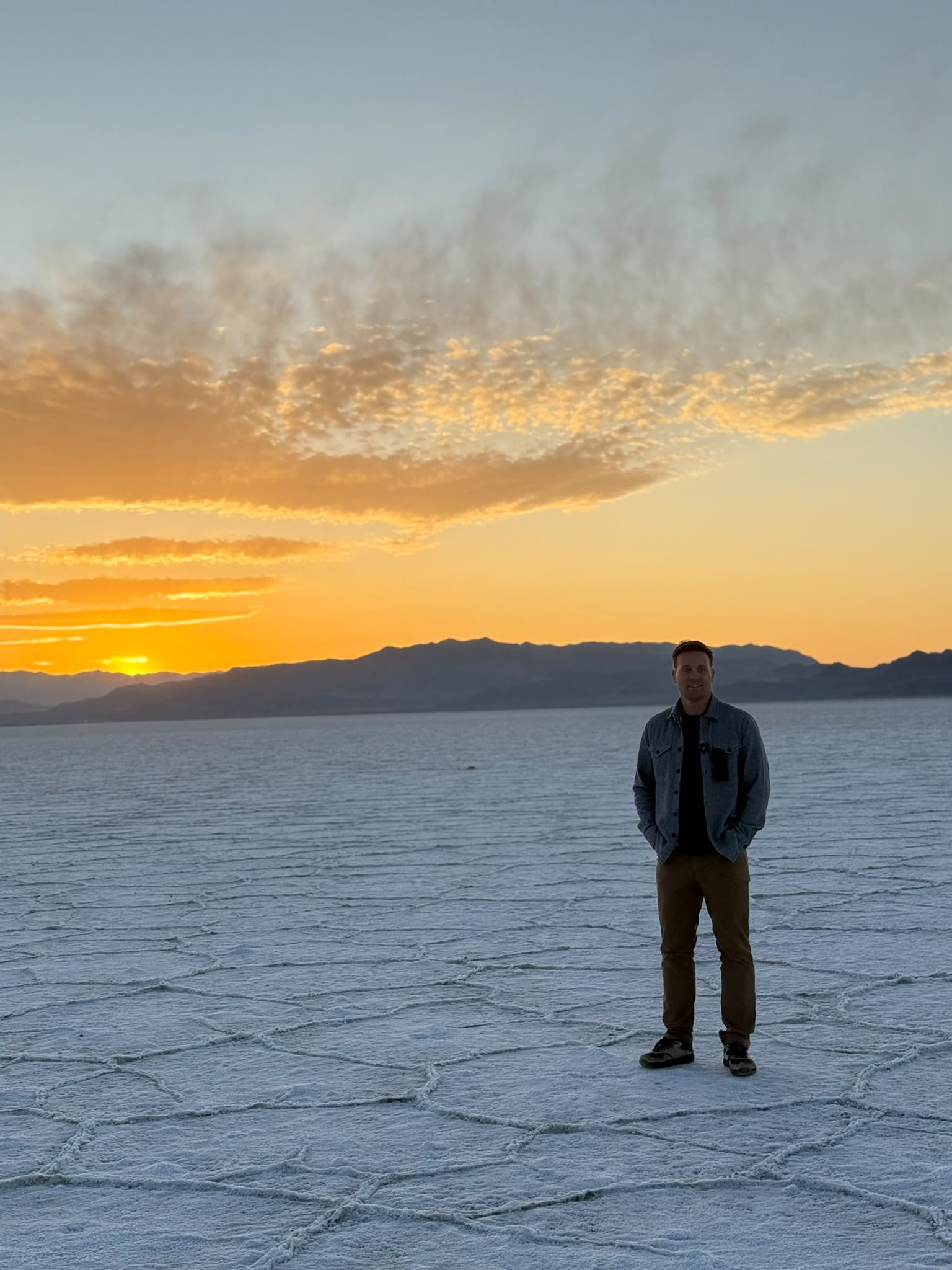
A man standing in an enormous landscape.
A father.
A husband.
A person of faith.
A teacher.
A craftsman still questioning his own decisions.
Someone trying, like all of us, to work out which things are worth changing and which things were valuable precisely because we chose to leave them alone.
That is the humanity at the centre of the project.
Dentistry simply gave us somewhere unusually precise to look for it.
Dr. Alan Clarke
Director, Pasted Studio
A FILM BY PASTED STUDIO