The Art of Becoming - Dr. Marshall Hanson
Part two of the story of Dr. Marshall Hanson
The Film
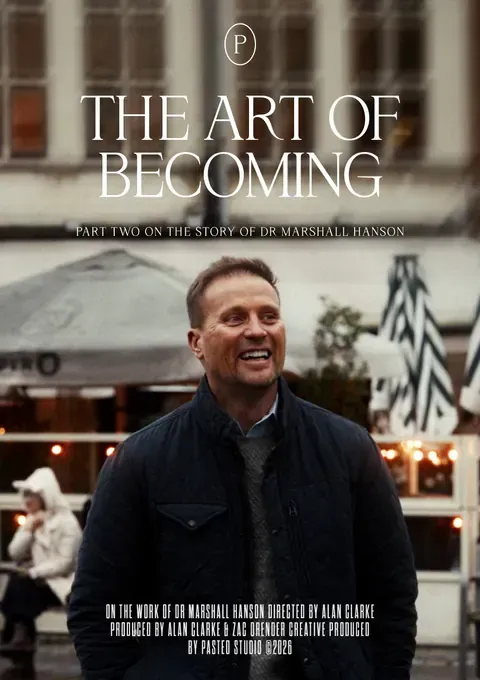
Part two of the story of Dr. Marshall Hanson. In Antwerp, alongside fellow clinicians, he reflects on the long, unfinished work of mastering a craft.
- Released
- Runtime
- 11 min
- Filmed in
- Antwerp, Belgium
- Production
- Pasted Studio
Credits
Directed by Dr. Alan Clarke
- Written by
- Alan ClarkeNathan Emery
- Produced by
- Alan ClarkeZac Orender
- Cinematography by
- Nathan Emery
- Edited by
- Nathan Emery
- Featuring
- Dr. Marshall Hanson as himselfDr. Rhodri ThomasDr. Freek Gols Linthorst
The Art of Becoming - Dr. Marshall Hanson
When I started thinking about The Art of Becoming, I didn't want to make another film about three incredibly successful dentists coming together to talk about dentistry. I think we've seen enough of that.
What interested me much more was the human side of it. These are people at the very top of their profession, who have built extraordinary careers and are looked up to by so many others. Yet they're still curious. They're still learning. And they're still willing to admit that they need other people to help them become better.
I think there's something really beautiful in that. The vulnerability of being a leader and still being able to say, “I need a coach. I need a mentor. I don't know everything.” That's a difficult thing to do when you've spent your career becoming the person everyone else comes to for answers, and I wanted to explore that honesty rather than simply celebrate their achievements.
Why Antwerp mattered
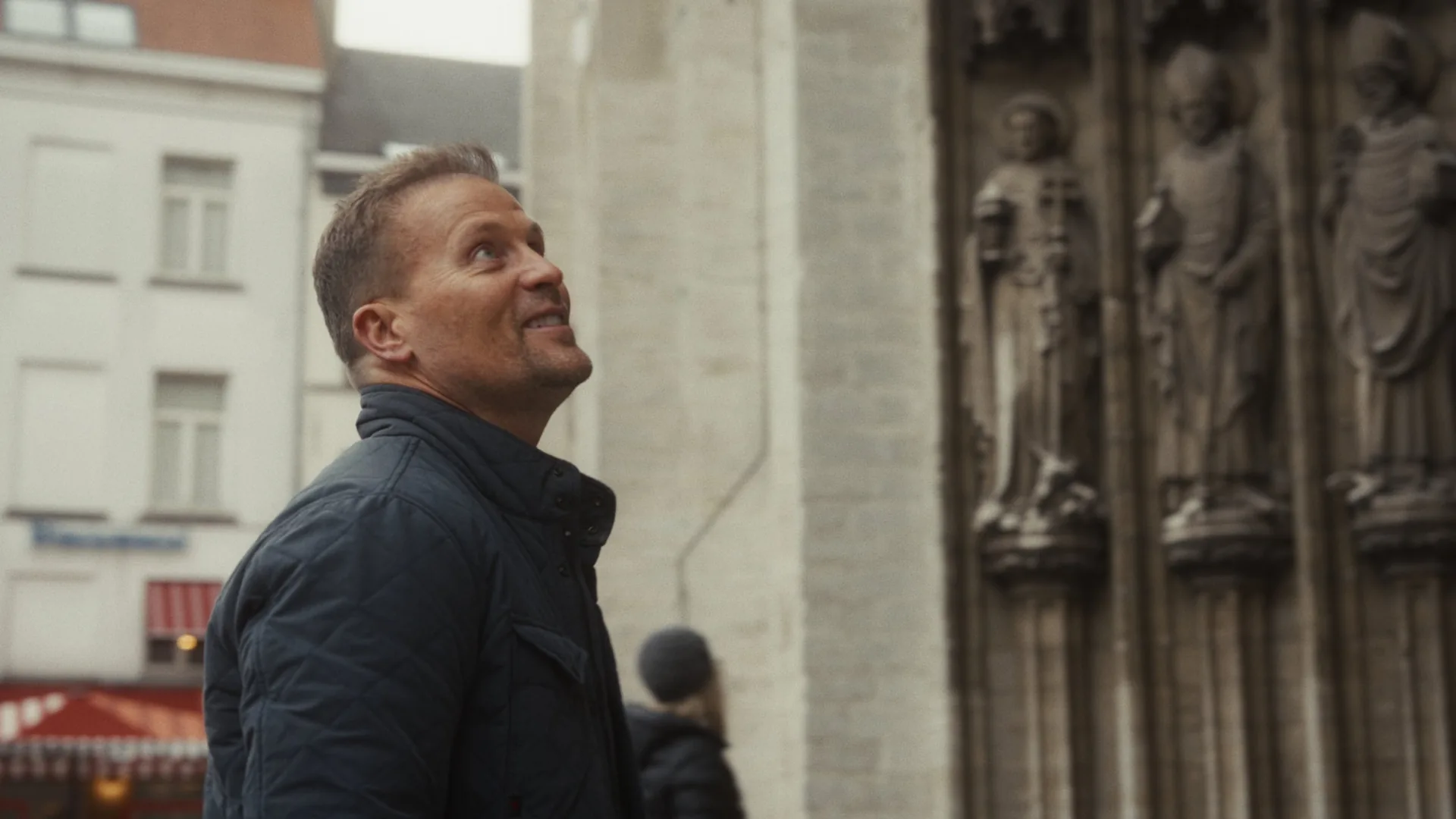
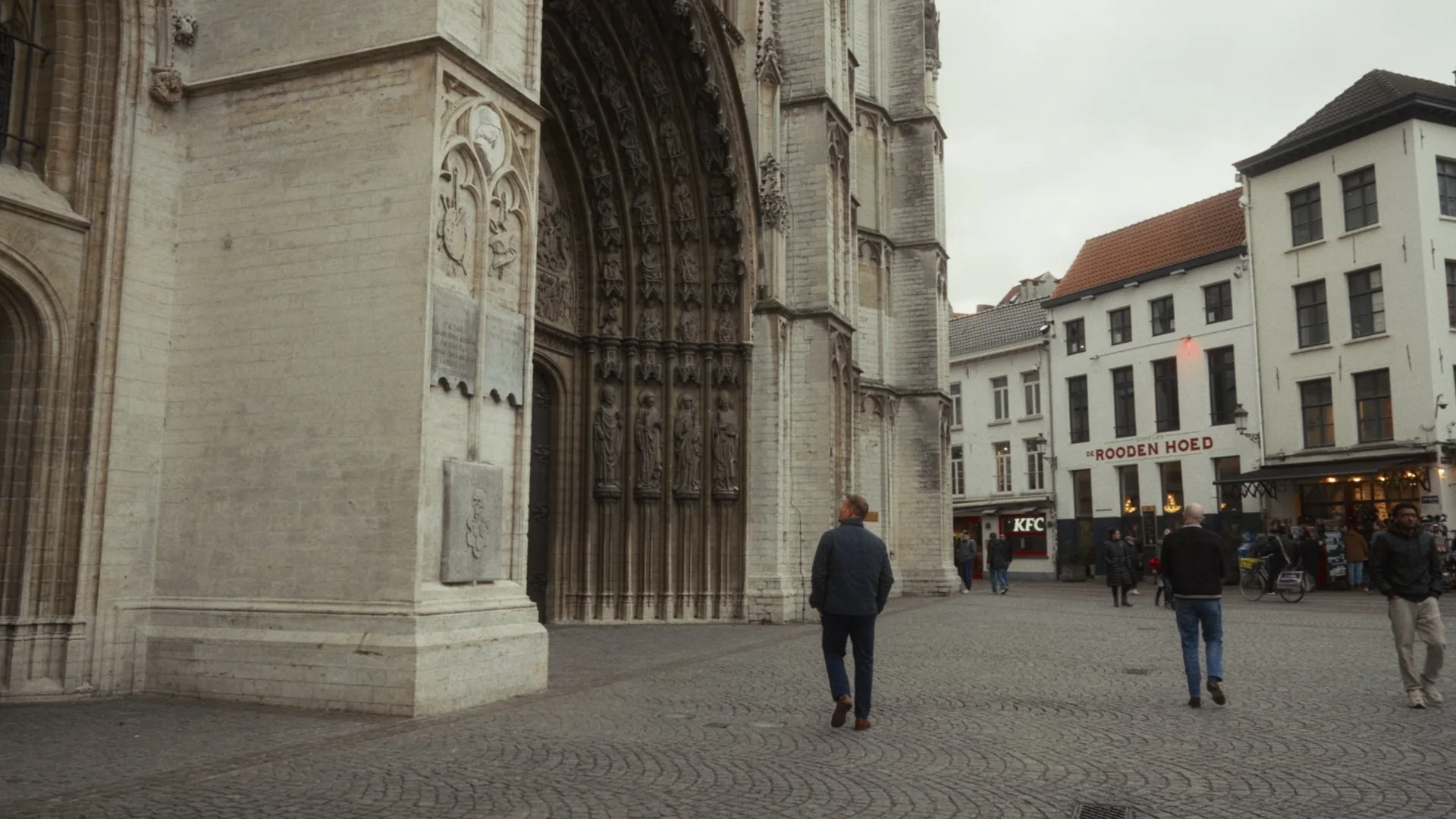
I was keen for this to feel quite different from a traditional dental film. Antwerp gave us a wonderful historic European backdrop: the architecture, the streets, the textures, the light. There's a certain romance to these old cities, and a real appreciation for art, craft and things that have been developed over generations. I wanted the film to feel almost like a portrait of artists or craftsmen coming together, rather than a group of clinicians.
There's also something interesting about placing people who are constantly pushing their profession forward against a city with centuries of history behind it. That contrast really appealed to me. I didn't want anything to feel too polished or too commercial. I wanted some of that European documentary feeling, where we can sit with a moment, where the camera isn't always moving, and where the surroundings have a chance to tell part of the story.
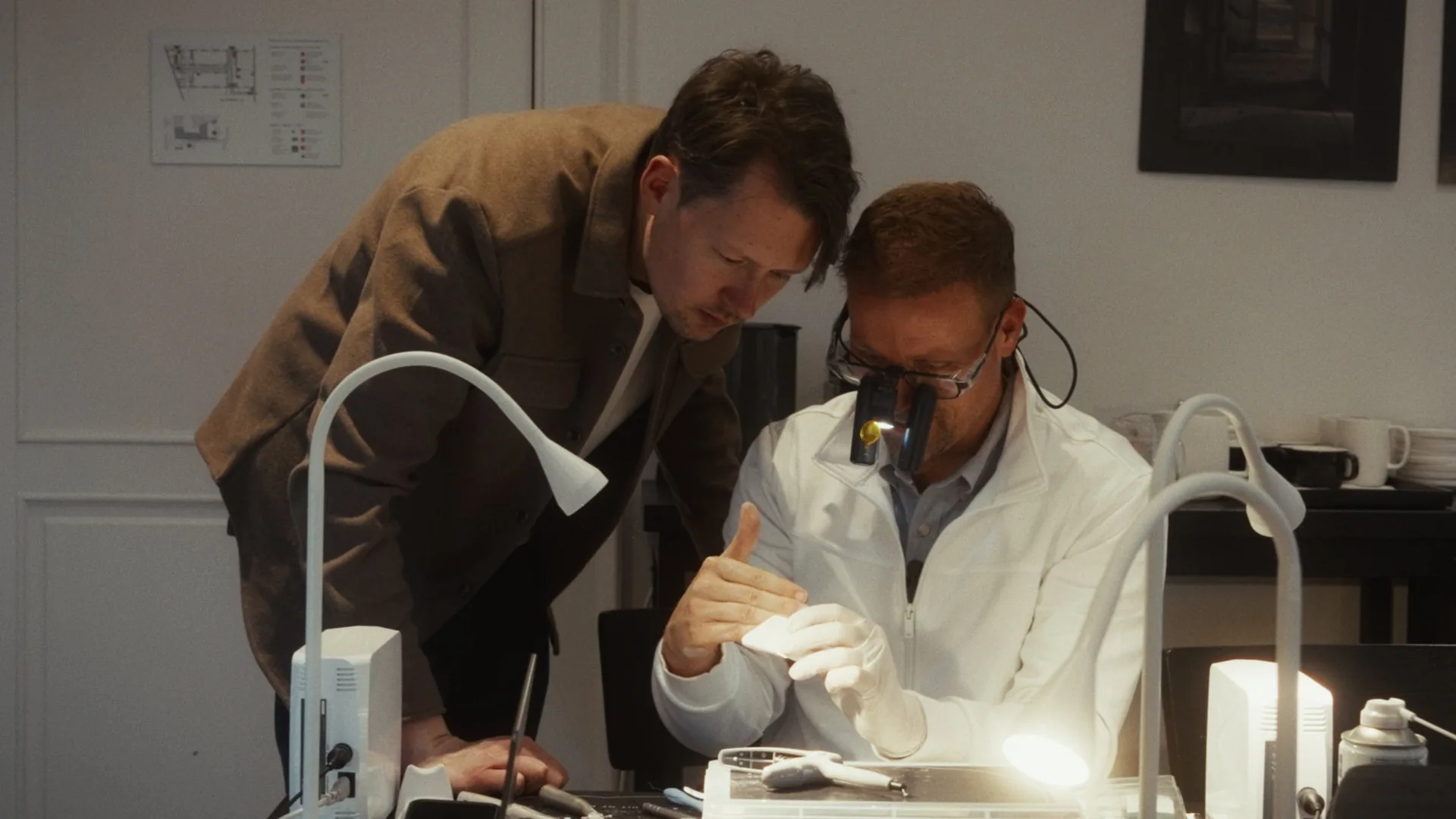
I also wanted to communicate the idea of collaboration without borders. These are people from different parts of the world, with different backgrounds, different experiences and different ways of looking at their craft. And yet they share the same curiosity.
None of them needs to be there. They're already established, and they could easily stay in their own worlds and continue to be very successful. Instead, they choose to come together, share ideas, challenge each other and learn. For me, that's what real collaboration looks like. It isn't about putting three big names in the same room. It's about what happens when those three people are genuinely open to one another, and I wanted the film to show that through the conversations and the quieter moments rather than explain it.
The honesty of leadership
We have this strange perception that once someone reaches a certain level of success, they've somehow arrived. That they've figured everything out. But I don't think that's how the most interesting people operate. If anything, the more you learn, the more you realise how much you don't know.
I wanted Marshall and the others to be able to express that without having to maintain the image of being the expert all the time. There's something disarming about hearing someone considered one of the best in the world say that they still need coaching, that there are areas where they feel uncertain, or that they're willing to dive deeper than they ever have before. That's the beauty of being human.
I think that's a far more powerful message for the next generation of clinicians than simply showing them what success looks like. It gives people permission to keep learning, to ask questions and to not feel that they have to have all the answers. And that's relevant to any industry, not just dentistry.
Creatively, I wanted to approach this with a lot of restraint. Beautiful imagery, of course, but not beautiful imagery for the sake of it. I wanted the film to feel considered, intimate and honest, almost as though we were being allowed into conversations that would ordinarily happen behind closed doors.
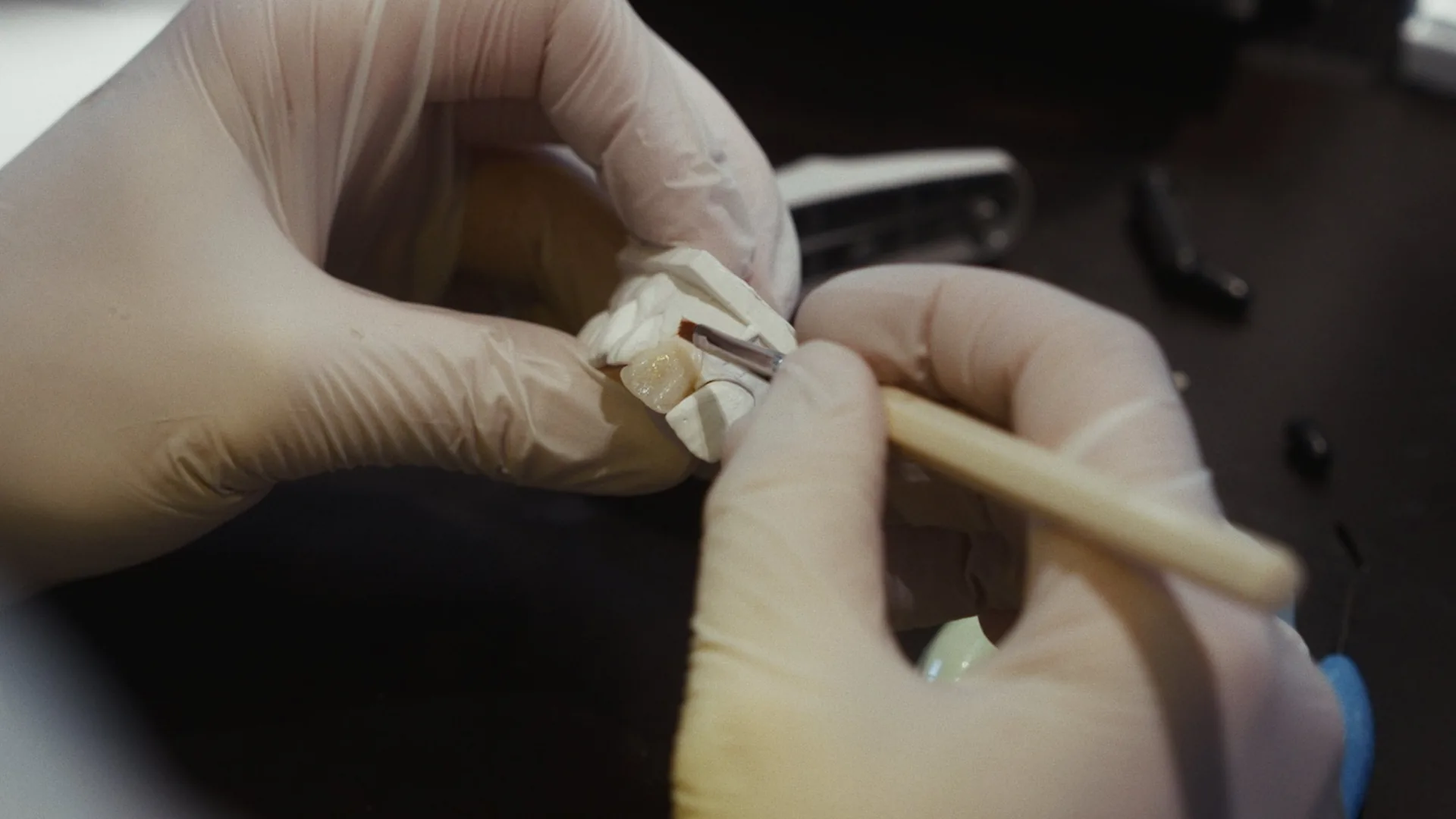
I was interested in the moments between the big statements. Someone listening, someone thinking about an answer, a moment of reflection or even a little uncertainty. Those are often the moments that tell us the most about someone. I also wanted to bring a sense of art and culture to the way we portrayed dentistry: these aren't simply technical practitioners, but people who have devoted their lives to a craft, with their own philosophies, continually refining what they do.
Why “The Art of Becoming”
I love the idea of becoming rather than arriving, because I don't think we ever really arrive. We're constantly being shaped by our experiences, by the people we meet, by the conversations we have and by the things we're willing to learn. There's a real humility in accepting that.
This film is about three people who have achieved an enormous amount but haven't lost the desire to grow. It's not really a film about dentistry. It's a film about curiosity, humility and the courage to remain a student, even when the rest of the world sees you as a master.
That's what I hope people take away from it. Not just admiration for these individuals, but perhaps a little encouragement to think differently about their own journey.
Because I think the most interesting people in the world are the ones who never stop becoming.
Dr. Alan Clarke
Director & Creative Director, Pasted Studio
Stills